
The Arhats (The Sixteen/Eighteen Luohan)
Dive into the world of The Arhats, the "Sixteen and Eighteen Luohan" who serve as the eternal guardians of the Buddhist faith. This blog explores their unique role as realized masters who postponed their final liberation to protect the Dharma on Earth, highlighting their strikingly human depictions in art and their significance as specialized archetypes for spiritual practice. By understanding the transition from the original sixteen to the culturally rich eighteen, we uncover how these "Elders" bridge the gap between ancient wisdom and the practical pursuit of enlightenment in our modern lives.
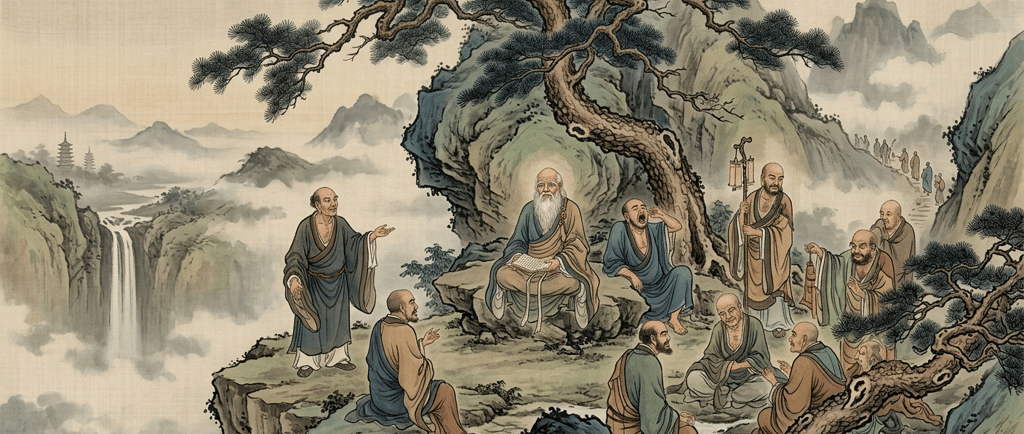
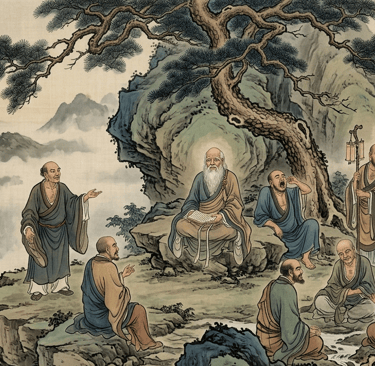
The figures known as the Arhats, or the Sixteen and Eighteen Luohan, represent a vital bridge between the transcendent wisdom of the Buddha and the tangible realities of the human world.
In the early Buddhist tradition, an Arhat is one who has followed the Eightfold Path to its ultimate conclusion, extinguishing the fires of greed, hatred, and delusion to achieve personal liberation from the cycle of rebirth. While the Buddha occupies the central position of supreme teacher, the Arhats serve as the perpetual guardians of his legacy. According to Mahayana tradition, the Buddha specifically requested sixteen of his most realized disciples to postpone their final entry into Nirvana, remaining in the world to protect and preserve the Dharma during the long intervals between the appearances of future Buddhas. This act of staying behind transforms them from mere historical figures into living spiritual presences who watch over the Sangha and ensure that the path to enlightenment remains accessible to all sentient beings.
The importance of the Arhats lies in their role as the "Elders" of the faith, providing a human face to the abstract concept of enlightenment. Unlike the celestial Bodhisattvas who often take on god-like qualities in later Buddhist art, the Luohan are frequently depicted with strikingly human, even eccentric, characteristics. They are often portrayed as rugged, weathered, and intensely individualistic seekers, sometimes appearing as old men with bushy eyebrows, deep wrinkles, or playful expressions. This aesthetic choice is deeply significant because it emphasizes that enlightenment does not erase one’s unique personality or humanity; rather, it refines it. By maintaining their earthly forms, the Arhats demonstrate that the highest spiritual achievements are possible for people of all temperaments, from the scholar to the hermit, and from the fierce warrior to the gentle monk.
Each of the Arhats represents a specific spiritual power or a particular aspect of the Buddhist path, making them highly significant as specialized archetypes for practitioners. For example, Pindola Bharadvaja, often depicted with long white eyebrows, represents the power of longevity and the patient endurance required to master the mind over many lifetimes. Panthaka, who is often shown in deep meditation or stretching after waking, symbolizes the clarity that comes from stillness and the simplicity of everyday awareness. These figures act as specialized "patron saints" of different virtues, allowing followers to find a specific Arhat whose life or specialty resonates with their own personal struggles. Their significance is thus both communal and deeply personal, offering a diverse array of role models for the multifaceted nature of human experience.
The transition from sixteen to eighteen Arhats is a fascinating development in the cultural history of Buddhism, particularly as the faith moved into China. While the original Indian texts mentioned sixteen, Chinese artists and scholars later added two figures, the Taming Dragon Arhat and the Subduing Tiger Arhat to create the set of eighteen commonly seen today. This evolution is significant because it illustrates the adaptive nature of Buddhism as it absorbed local folklore and aesthetic preferences. These two additional figures symbolize the mastery of the enlightened mind over the most powerful and chaotic forces of nature and the psyche. The dragon and the tiger represent the wild energy of the world and the internal passions of the ego, respectively, and the Arhats' ability to tame them without violence serves as a powerful metaphor for the triumph of spiritual discipline over raw impulse.
In many temples, the Luohan are positioned along the side walls of the main hall, flanking the central Buddha image. This placement is symbolically profound, as it suggests that the Arhats are the conduits through which the Buddha's central light reaches the people. They are the field of merit where laypeople can offer their devotion and support, believing that the Arhats have the power to bestow blessings and protection. Because they have mastered their own karma, they are seen as having a surplus of spiritual "merit" that they can share with those who are sincere in their practice. This makes them central to the devotional life of millions, acting as the intermediaries who make the lofty goals of the Dharma feel reachable and practical within the context of daily life.
The enduring legacy of the Sixteen and Eighteen Arhats is their constant reminder that the Dharma is not a dead philosophy but a living, breathing tradition that requires active protection. They represent the "diligence" that the Buddha spoke of in his final moments. By remaining in the world, they signify that the work of enlightenment is never truly finished as long as there is suffering to be alleviated. They matter because they embody the vow of service, showing that even those who have reached the highest peak of personal realization have a responsibility to look back and help others climb. Their presence in the Buddhist pantheon ensures that the tradition remains grounded in the human experience, providing a source of inspiration, protection, and a vivid proof that the journey toward awakening is a path that remains open to all.
Sera Jey Wisdom Center
A Gelug Tibetan Buddhist center in Jakarta. Join our weekly prayers every Saturday at 2 PM — everyone is welcome.
Address
Sera Jey Wisdom Center
Ruko Savoy Blok C1 No.31 & 32,
River Garden Jakarta Garden City,
Cakung Timur, Jakarta Timur 13910,
Indonesia
© 2026 Sera Jey Wisdom Center Jakarta. All rights reserved.